Sound Healing Meditation Course – Discover the Transformative Power of Sound and Silence
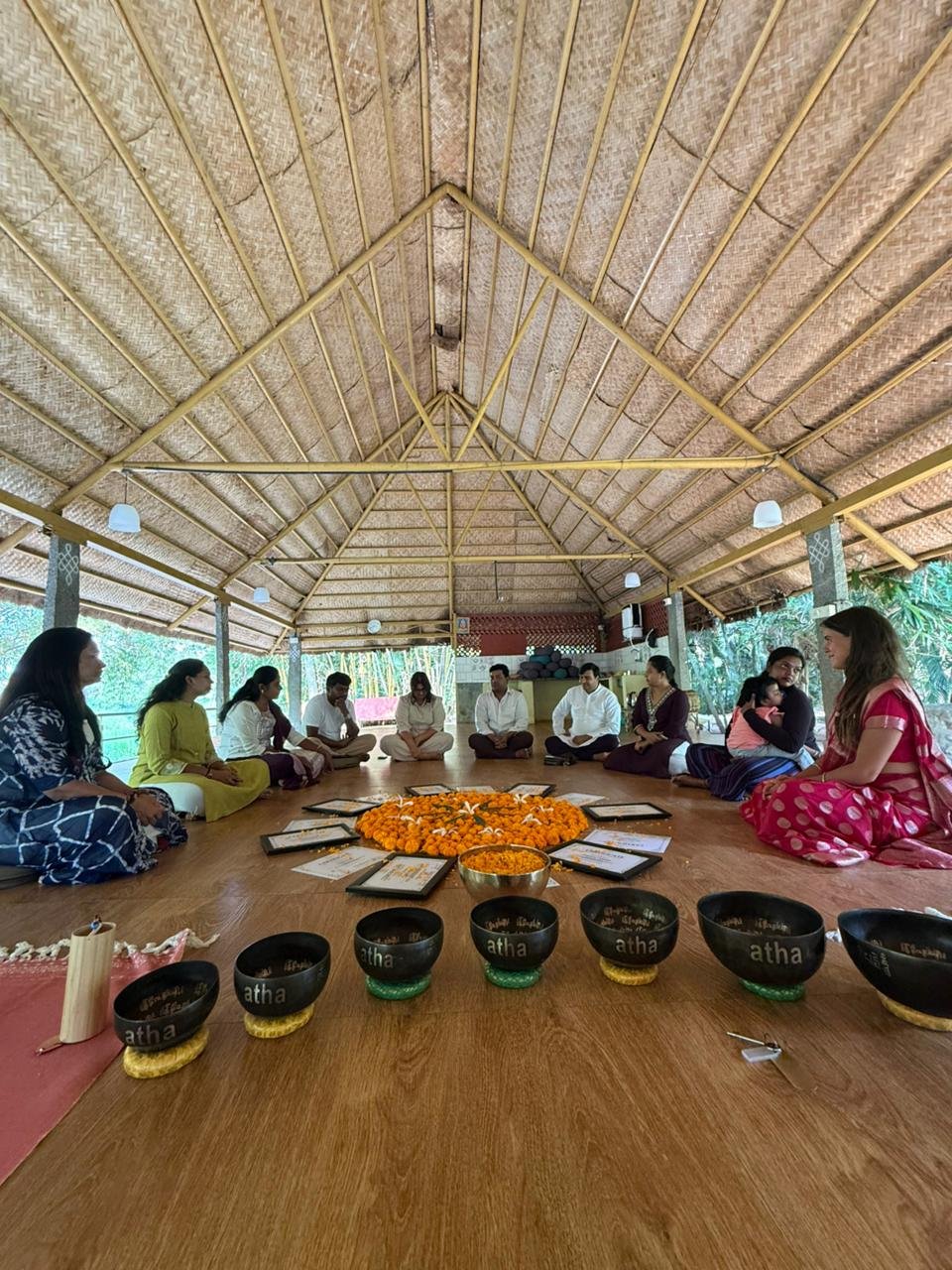
Long before modern wellness practices became popular, cultures around the world understood that sound could influence the human mind and emotions. Today, a Sound Healing Meditation Course brings together ancient wisdom and contemporary mindfulness techniques, helping individuals explore how vibration, resonance, and conscious listening can support relaxation and inner balance.
This course is ideal for those seeking a deeper meditation experience, whether for personal growth, professional development, or holistic wellness practice.
What Is Sound Healing Meditation?
Sound healing meditation is the practice of using specific sounds, frequencies, and vibrations to encourage a state of deep relaxation and awareness.
Unlike traditional meditation, where the focus is often on silence, sound healing uses auditory experiences to guide attention inward. The sounds create a supportive environment that helps quiet mental chatter and encourages a sense of calm.
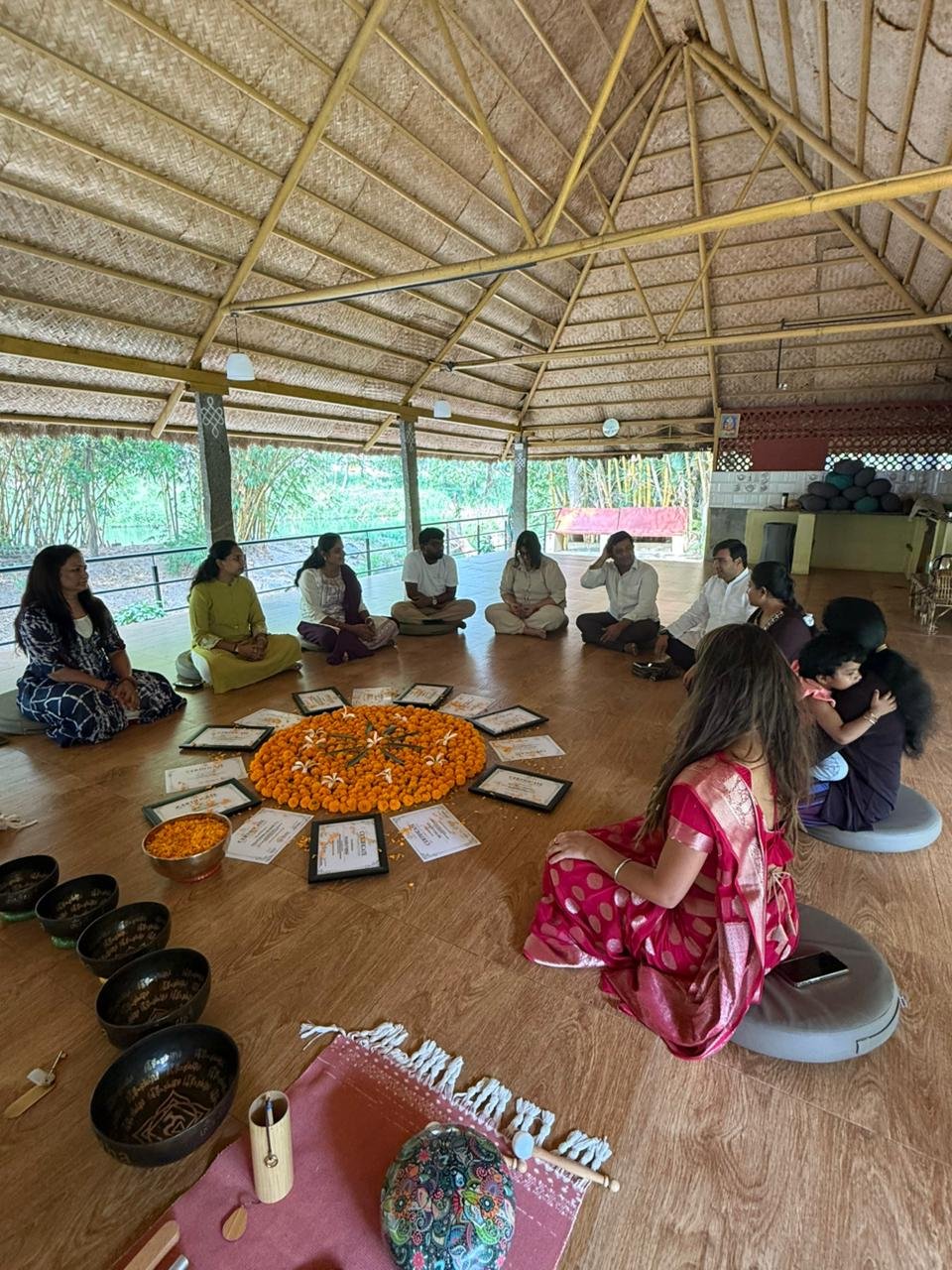
Common sound healing tools include:
- Singing bowls
- Crystal bowls
- Gongs
- Chimes
- Bells
- Tuning forks
Each instrument produces unique vibrations that contribute to the overall meditative experience.
Why Sound Healing Is Gaining Global Popularity
Modern lifestyles often leave people feeling mentally exhausted and emotionally overstimulated. Constant exposure to technology, noise, and stress can make it difficult to relax.
Many people are turning to sound healing because it offers:
- A natural relaxation method
- Support for mindfulness practices
- An accessible approach to meditation
- Opportunities for emotional release
- A deeper sense of mental calmness
The experience is simple, yet many participants find it remarkably effective.
What You Learn During a Sound Healing Meditation Course
Foundations of Sound and Vibration
Understanding how sound influences the body and mind is an important first step.
Students may explore:
- Principles of vibration and resonance
- The relationship between sound and relaxation
- How frequencies influence awareness
- The role of listening in meditation
This knowledge provides the theoretical foundation for practical application.
Working with Sound Healing Instruments
Students are introduced to a variety of sound healing tools and learn how to use them effectively.
Training often includes:
- Playing techniques
- Understanding tonal qualities
- Creating harmonious sound experiences
- Instrument care and maintenance
The goal is to use sound intentionally rather than simply creating noise.
Sound Bath Facilitation
Sound baths have become one of the most popular forms of sound healing.
Students may learn:
- Session planning and structure
- Creating relaxing sound journeys
- Combining multiple instruments
- Managing timing and pacing
- Supporting participant comfort
These skills are particularly valuable for those interested in facilitating group experiences.
Meditation Through Deep Listening
Listening is treated as an active practice rather than a passive activity.
Students may practice:
- Focused listening meditation
- Breath and sound awareness
- Guided relaxation techniques
- Mindfulness through auditory observation
These exercises help develop concentration and presence.
Creating Healing Environments
A successful sound healing session depends on more than instruments alone.
Students often learn how to:
- Create a calming atmosphere
- Support relaxation and mindfulness
- Guide participants effectively
- Balance sound and silence
- Encourage a positive wellness experience
These skills contribute to professional facilitation and personal practice alike.
Who Can Join a Sound Healing Meditation Course?
This course is suitable for:
- Yoga teachers
- Meditation practitioners
- Wellness professionals
- Holistic therapists
- Retreat facilitators
- Beginners interested in mindfulness
No musical experience is required.
Benefits Students Often Experience
Through regular practice, many participants report:
- Improved relaxation
- Better sleep quality
- Enhanced concentration
- Greater emotional balance
- Reduced stress levels
- Increased mindfulness
These benefits often support both personal well-being and professional wellness work.
Career Opportunities After Completion
A Sound Healing Meditation Course can open doors to various opportunities, including:
- Sound healing practitioner
- Meditation facilitator
- Wellness retreat guide
- Yoga and sound integration specialist
- Holistic wellness educator
Many graduates also incorporate sound healing into existing wellness services.
Why Sound Healing Complements Modern Wellness
Unlike many wellness practices that require significant physical effort, sound healing offers a gentle and accessible experience for people of all ages and backgrounds.
Its combination of relaxation, mindfulness, and sensory awareness makes it a valuable complement to yoga, meditation, and holistic health programs.
Final Thoughts
A Sound Healing Meditation Course is more than learning how to play instruments. It is an opportunity to understand the relationship between sound, awareness, and well-being.
Whether your goal is personal transformation, professional growth, or simply discovering a new dimension of meditation, sound healing offers a powerful pathway toward greater balance, presence, and inner peace.