Prenatal Yoga Teacher Training Course – Teach with Care, Not Guesswork
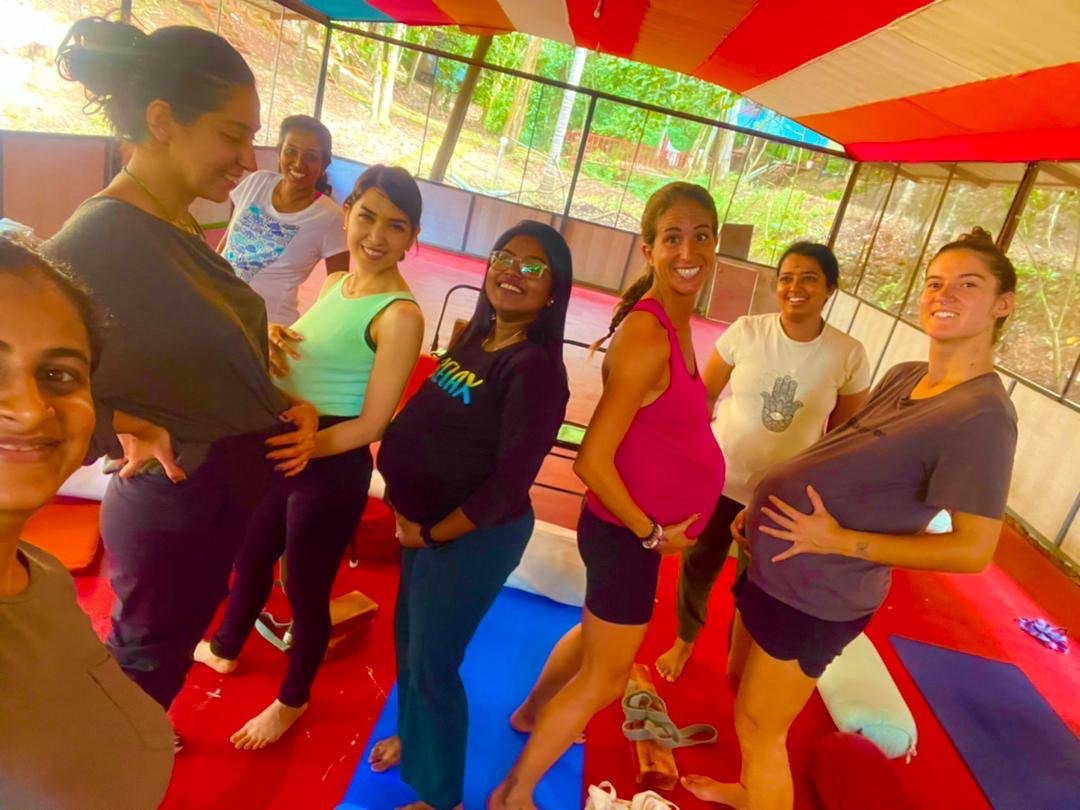
There’s a big difference between guiding a regular yoga class and supporting someone through pregnancy. A Prenatal Yoga Teacher Training Course is where that difference becomes clear.
This training is not about advanced poses or intense sequences. It’s about learning how to adapt, observe, and support—so every class feels safe, calm, and genuinely helpful for expectant mothers.
Why Prenatal Yoga Training Matters Today
More women are choosing yoga during pregnancy—not for fitness, but for support.
A well-designed prenatal class can help with:
- Reducing physical discomfort
- Improving posture as the body changes
- Managing stress and anxiety
- Building breath awareness for labor
- Creating confidence and connection
But these benefits only come when the teacher knows what they’re doing. That’s exactly what this course prepares you for.
What Makes Prenatal Yoga Different
Pregnancy is not a static condition. The body changes week by week.
That means teaching requires awareness of:
- Trimester-specific needs
- Joint sensitivity due to hormones
- Balance and stability changes
- Energy fluctuations
- Emotional shifts
You’re not just teaching movement—you’re guiding a moving target.
What You Learn in a Prenatal Yoga Teacher Training
Understanding Pregnancy in Practical Terms
You’ll study how pregnancy affects the body in real, observable ways.
This includes:
- Physical changes across trimesters
- Posture and alignment shifts
- Common discomforts and how to ease them
- When to modify or avoid certain movements
This becomes your safety foundation.
Adapting Yoga for Real Bodies
You won’t be teaching textbook poses. You’ll be teaching functional movement.
You may learn:
- Gentle hip and pelvic mobility
- Lower back support practices
- Safe strengthening exercises
- Supported postures using props
- Restorative sequences for recovery
Every practice is designed to feel supportive, not demanding.
Breathwork That Actually Helps
Breathing is one of the most valuable tools you can teach.
You may explore:
- Calming breath patterns
- Breath awareness for anxiety
- Techniques useful during labor
- Tension-release breathing
These practices often become daily tools for students.
Emotional Awareness & Communication
Pregnancy is as emotional as it is physical.
This part of training focuses on:
- Creating a safe class environment
- Speaking clearly and calmly
- Supporting emotional changes
- Building trust with students
This is what turns a teacher into a guide.
Relaxation and Deep Rest
Rest is not optional during pregnancy—it’s essential.
You may learn:
- Guided relaxation techniques
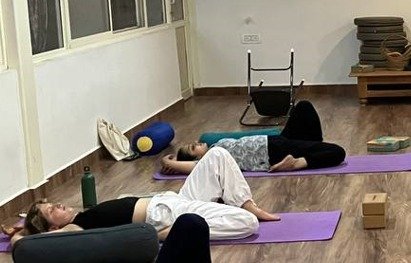
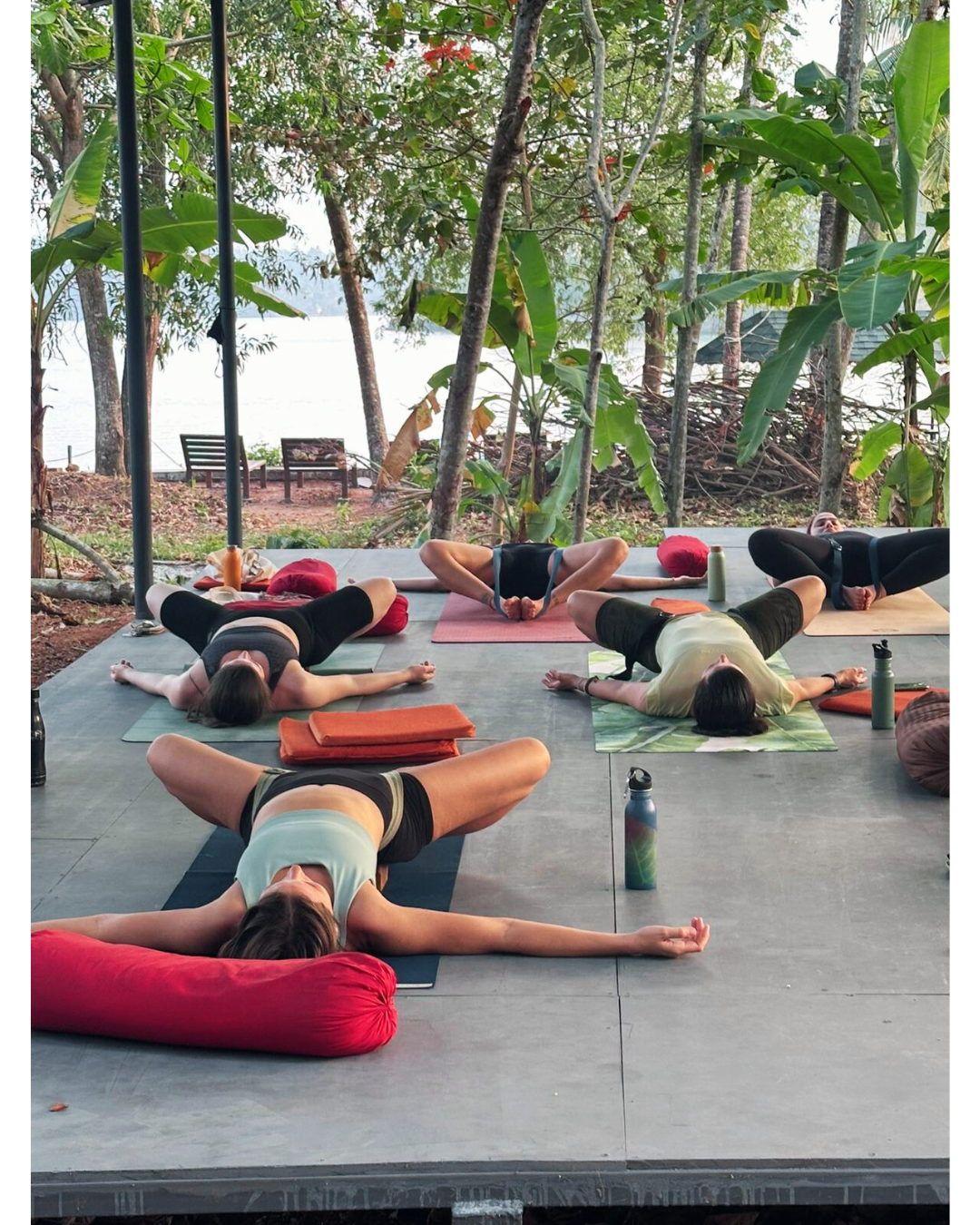
- Side-lying restorative poses
- Simple meditation practices
- Nervous system calming methods
Often, this is the most impactful part of a class.
Teaching Methodology – Turning Knowledge into Skill
A strong prenatal course doesn’t stop at theory.
You’ll also learn how to:
- Structure prenatal classes
- Adapt sessions for different trimesters
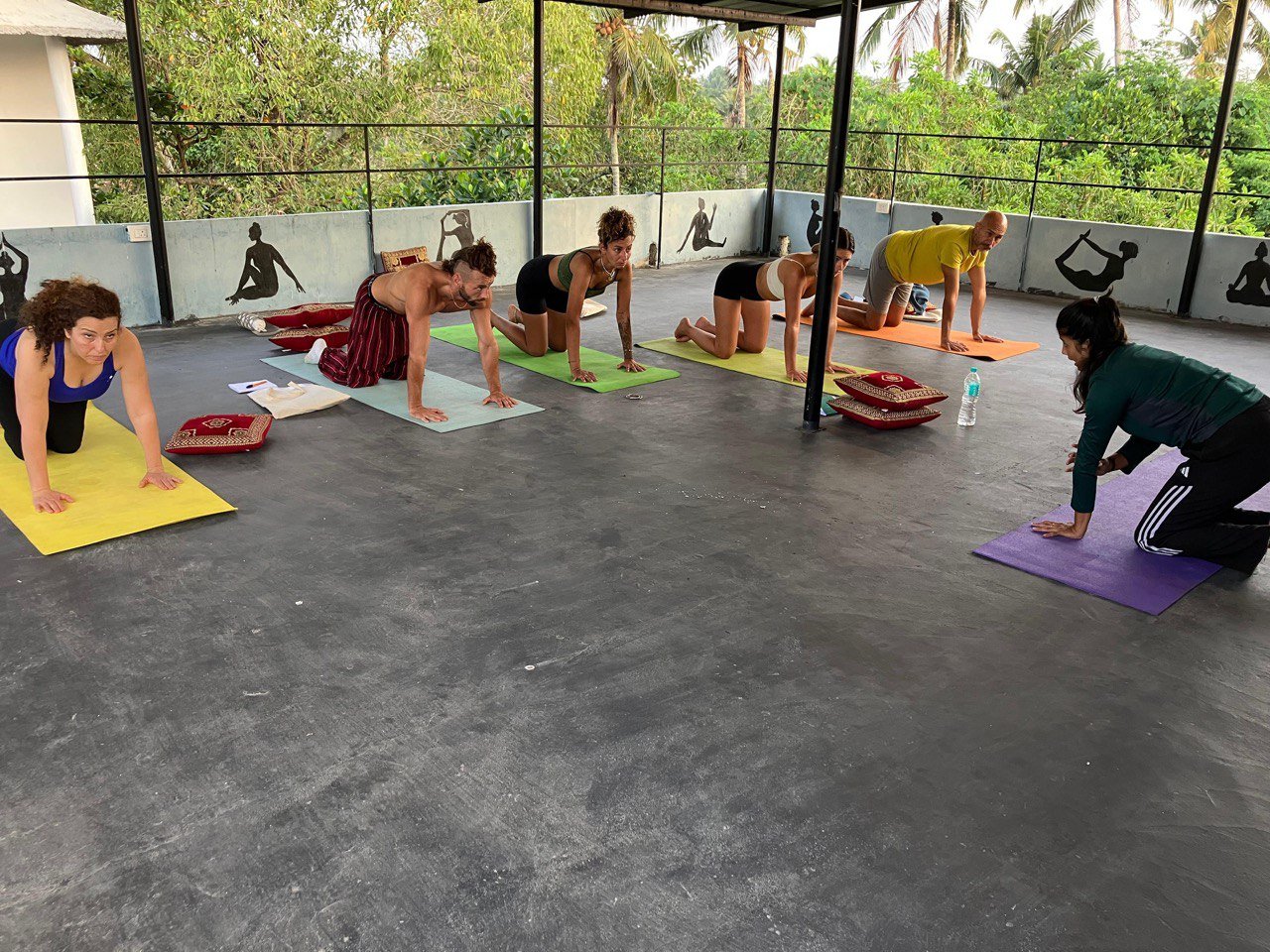
- Work with small groups
- Use props effectively
- Give safe and clear instructions
Practice teaching is usually included so you gain confidence.
Who Should Take This Course?
A Prenatal Yoga Teacher Training Course is ideal for:
- Certified yoga teachers
- Pilates and fitness instructors
- Doulas or birth professionals
- Wellness coaches
- Anyone wanting to specialize in women’s health
A basic yoga background is strongly recommended.
Career Opportunities After Training
Once trained, you can:
- Teach prenatal yoga classes
- Offer private sessions for expecting mothers
- Collaborate with wellness centers
- Add prenatal services to your studio
- Build a niche brand in women’s health
This is a growing and respected specialization.
What Makes a Great Prenatal Yoga Teacher?
It’s not flexibility or advanced skills.
It’s the ability to be:
- Observant
- Patient
- Clear
- Calm
- Supportive
This training helps you develop exactly those qualities.
Final Thoughts
A Prenatal Yoga Teacher Training Course is one of the most meaningful directions you can take as a yoga teacher.
You’re not just teaching poses—you’re helping someone feel stronger, safer, and more confident during a life-changing phase.